

Black women travelling · Haircare · Life on the road
Travelling with Black hair takes a little planning. In places with few Black residents, finding familiar products or a stylist who understands your hair can be a challenge. Something as ordinary as wash day can require more thought than it does at home.
Over the years, I’ve travelled with braids, weaves and my own natural hair. Each had its advantages, but each also taught me something about how much time, money and luggage space I wanted to spend on haircare.
Eventually, I found a routine that left more room for the trip itself. Here’s what helped me pack lighter, find supplies abroad and care for my hair without planning every adventure around it.

How to Make a Protective Style Work for Your Trip
I love braids in all their forms. They can make mornings easier and give you a break from daily styling, but a protective style still needs care. Keep your scalp clean, allow your hair to dry properly after washing, and avoid installations that pull on your edges.
I used to focus on making a style last as long as possible. These days, I pay more attention to how my hair and scalp feel. A fresh-looking installation isn’t worth sore edges or weeks of discomfort.
If you’re travelling long-term and your hands weren’t blessed with braiding skills, finding someone who understands your hair can feel like a mission. Ask other Black travellers for recommendations before you arrive, and have a simple backup style you can manage yourself.
I’m quite good at braiding, but even I get tired of spending hours making everything look perfect. With fine strands like mine, I’ve learned that lighter styles and less tension matter more than squeezing another few weeks out of an installation.
Travelling with Weaves
We’ve all been seduced by the glamour of a good weave. Silky and flowing or textured and voluminous, it can give you a look you love without changing your own hair.
For me, though, the upkeep started to overshadow the convenience. I was constantly styling, combing and worrying about tangles. Sometimes I skipped adventures because I knew I’d have a matted mess to deal with afterwards.
The one time I threw caution to the wind, I spent ages trying to revive my weave after submerging it in Iceland’s Blue Lagoon.
Then there were the tools. My blow-dryer, comb attachment, diffuser and flat iron added weight to my luggage and made packing light almost impossible. A weave can work beautifully for travel, but I’d choose one based on the maintenance it needs, rather than how it looks on installation day.
I wanted to spend less time maintaining my hair and more time enjoying where I was.
Travelling with Natural Hair
After about eight months of reinstalling weaves, I was tired of feeling that I needed extra hair to feel attractive. I decided to give my own hair a chance.
Wearing it out took some getting used to. I hadn’t spent much time learning what my own hair could do, and I wasn’t immediately confident styling it in unfamiliar places. But the more I wore it, the freer I felt.
I could swim when I wanted, wash my hair when I needed to, and go hiking without planning my day around an installation. I even considered surfing.
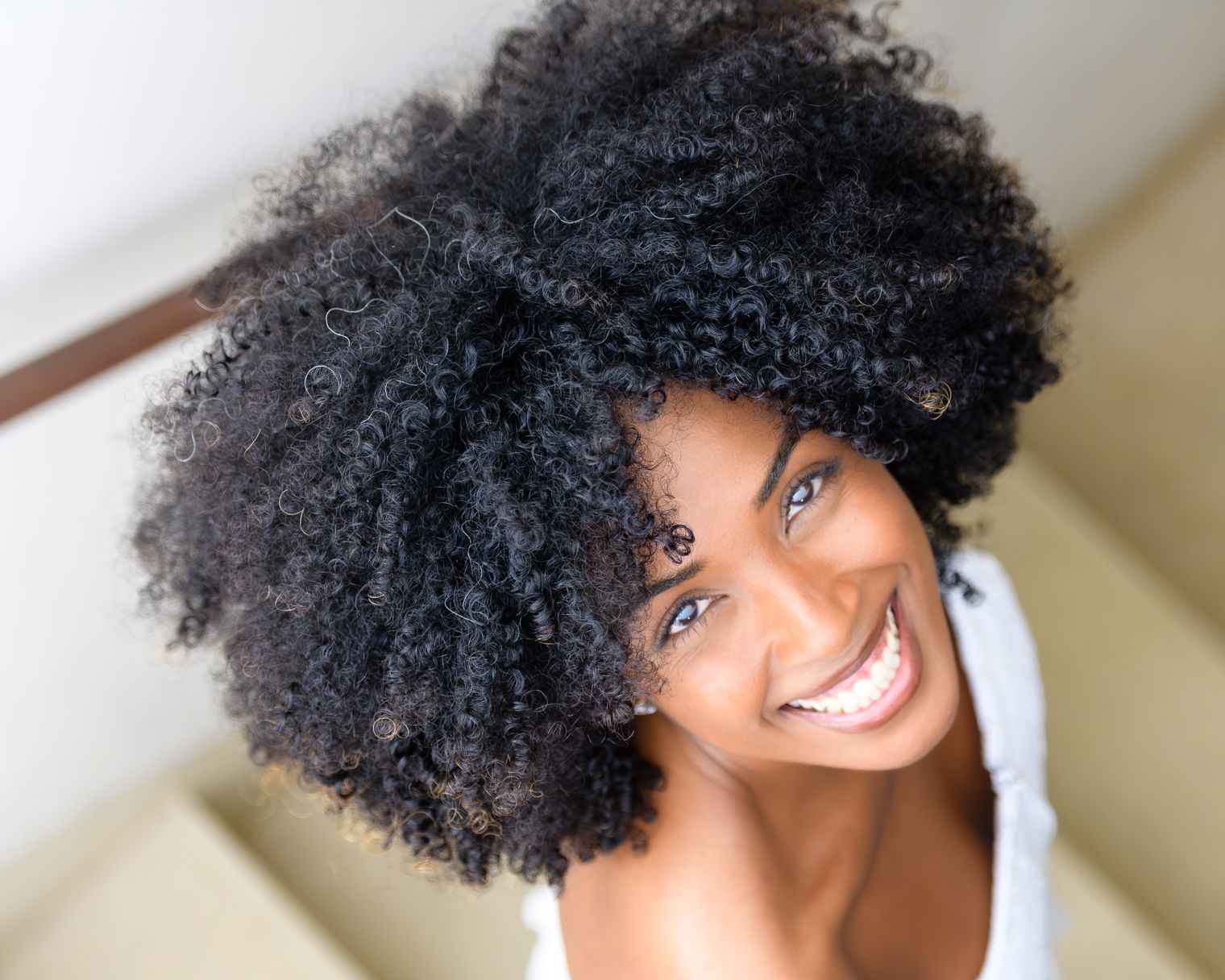
Over time, I started to feel sexy watching my 4a/4b hair move in the wind. People used it as a conversation starter, and I received compliments I hadn’t expected. But the biggest shift was my own: I no longer felt that my natural hair was something I had to hide.
It felt like the Twilight Zone. I’d spent so long believing that I needed added hair to feel attractive, only to discover how much I liked my own.
My routine changed too. I washed my hair more often and eventually used up the products I’d brought with me. Ironically, I felt as though I was styling it less. These are the habits that helped me make it work.

1. Find Ingredients and Supplies Locally
Before you fill your suitcase with backups, look into what you can buy at your destination. Local markets, beauty shops and pharmacies may have ingredients or products you already use, even if the packaging looks unfamiliar.
Do a little research before you arrive: search for natural-ingredient shops, local markets, beauty suppliers and pharmacies near your accommodation. Look up the local names for ingredients you use, check product labels and recent reviews, and save a few places on your map.
For specific items such as shea butter, jojoba oil or aloe-based products, message the shop to ask what it carries. A market may have fresh ingredients without stocking ready-made hair products, so it helps to know what you’re looking for.
Shea butter, aloe-based products and oils were useful things to look for when I needed to replenish my supplies. I stuck to ingredients I already knew my hair liked, rather than trying every promising product I came across.
There’s also plenty to learn from local hair traditions. You might encounter henna, amla or brahmi in shops selling Ayurvedic products, for example. Take time to understand how a product is used before assuming it will work for your hair.
During my time in Ubud, I found familiar staples at Angelo Store, including jojoba oil, shea butter, mango butter and sulphate-free shampoo. Utama Spice was another option I came across in Bali. Finding those supplies locally meant I didn’t need to carry months of products from home.
2. Try Shampoo and Conditioner Bars Before You Leave
Solid shampoo and conditioner bars can save space and reduce the risk of leaks in your bag. They’re also convenient when you want to reduce the number of liquids you carry.
The important part is testing them at home. A compact product is only helpful if it cleanses or conditions your hair well. Check whether you’re buying a shampoo bar or a soap-based bar, and give yourself time to see how your hair responds.
Let bars dry between uses and pack them in a draining case or a dry container. If you enjoy making your own, use a reliable formulation and test it before travelling. A trip is a frustrating time to discover that your new conditioner doesn’t give you enough slip.
3. Pack Headwraps, Headbands and a Roomy Swim Cap
A headwrap has saved me on plenty of low-effort days. It can pull a look together, cover a style that needs refreshing, and help keep hair out of the way in windy or dusty places.
For the fabric that touches your hair, I recommend a smooth silk scarf or satin-lined accessories, including headbands, headwraps and bonnets. If you love a cotton or patterned wrap, wear a silk or satin scarf underneath so your hair rests against the smoother lining. These options can help reduce rubbing, especially around the hairline.
Keep the fit comfortable. A soft lining doesn’t make a tight headband gentle, so avoid accessories that pinch, snag or pull at your edges. A silk scarf also takes up very little luggage space and can double as a wrap for sleeping.
If swimming is part of your trip, a roomy cap can make getting in the water more comfortable, especially if you have an afro, braids or another voluminous style. SOUL CAP is one example designed with that extra space in mind.
The anticipation of wash day shouldn’t have to decide whether you get in the water.
4. Understand Water Hardness and Your Hair
When I returned to London, my hair felt drier and harder to manage after washing than it did in Toronto. It made me realise that a change in destination can also mean a change in the water you use on wash day.
Water hardness refers to the amount of dissolved minerals in water, mainly calcium and magnesium. The more of these minerals it contains, the harder the water. You may notice limescale on taps or a difference in how easily soap lathers.
For hair, the issue is often the residue left behind. Minerals can accumulate on strands, and their reaction with soap-based cleansers can leave a film that makes hair look dull or feel harder to manage. You might notice that your usual wash routine leaves your hair feeling coated, stiff or less soft than you expect.
That doesn’t mean everyone will experience the same changes. Your products, hair condition and the local water supply all play a part. My own experience made me more observant, but I wouldn’t assume that every change in my hair was caused by hard water.
Before a longer stay, check the local water provider’s hardness information or ask your host whether the property has a water softener. If mineral buildup seems to be an issue, look into a shampoo specifically formulated to remove mineral deposits, often labelled “chelating” or “hard-water shampoo.” Follow its directions and condition afterwards rather than adding a stronger cleanser to every wash.
5. Keep a Simple Styling Option on Hand
Sometimes you just want a break. Clip-ins or a drawstring ponytail can give you another look without the commitment of braids or a sew-in.
Choose something lightweight that blends with your hair and doesn’t need a collection of tools. Attach it gently, avoid pulling it tight, and take it out if it feels uncomfortable.
A quick option for dinner or a special occasion can be handy. The appeal is being ready in minutes, without having to unpack a collection of styling tools.
6. Connect with the Natural Hair Community
Some of my best hair advice abroad came from other Black travellers and local curly-hair communities. They knew where to find products, which stylists understood textured hair, and what was worth bringing from home.
Look for active Black expat groups, natural-hair communities or city-specific travel groups. Ask for recent recommendations and examples of a stylist’s work, especially if you’re considering braids or extensions.
Product swaps can also help you avoid wasting money. If something doesn’t work for your hair, someone else may be happy to use it. Be clear about whether a product has been opened, and check the group’s rules before posting.
Even if you’re a product junkie at heart, you don’t need to carry every promising purchase to your next destination.
Let Your Routine Make Room for the Trip
The biggest lesson was learning what worked for the way I actually travel. Some trips suit braids, some a weave, and some my own hair worn out. I don’t need the same style for every destination.
Pack what you know you’ll use, keep your options manageable, and give yourself permission to look a little different along the way.
I still want to look good. I just want to get in the water, take the hike and make the memory, too.