

10 Everyday Products for 4c Natural Hair You Can Find Abroad
Your 4c natural hair routine can travel with you
A missing beauty supply store should not decide how long you stay somewhere. Living outside North America may mean leaving your usual wash-day aisle behind, but it does not mean leaving good care for your 4c natural hair behind. Your next useful find could be in a neighbourhood market, a herbal shop or the supermarket you already visit for groceries.
For Black women travelling with 4c natural hair, familiar products can feel like a small piece of home. There is comfort in knowing exactly how a conditioner detangles or how a gel holds a twist-out. Still, a different label is worth a look. With a little curiosity, you can build a routine around what is available where you are.
From aloe leaves to flax seeds and everyday oils, these ten ingredients give you places to start. Availability, prices and local names vary, so use this list as a starting point for exploring the shops around you. Keep a dependable shampoo and conditioner in your routine, then explore the extras. Whether you wear your hair loose, in twists or under a protective style, the aim is a routine that fits both your strands and your surroundings.


Where to shop for 4c natural hair abroad
Fresh markets
Look for aloe leaves, ripe avocados and coconuts. Ask vendors what the ingredient is called locally and when fresh stock arrives. Buy only what you can use that day.
Natural and herbal shops
These are useful places to ask about plain jojoba, sweet almond and black seed oils. Choose clearly labelled bottles and check whether they are pure oils or fragranced blends.
Supermarkets
The baking, cooking-oil and health-food aisles may have flax seeds, olive oil, grapeseed oil and coconut milk. Look for simple ingredient lists rather than flavoured drinks or sauces.
Local beauty stores
Explore conditioners, masks and styling products made for the local market. Ask for something suited to dry or curly hair, and look for a sample or small size before committing.
| Ingredient | Something to try | Where to look |
|---|---|---|
| Aloe vera plant | Rinse-out pre-poo | Markets, plant sellers |
| Coconut milk, cream and water | Milk or cream as a rinse-out experiment | Markets, supermarkets |
| Flax seeds | Homemade styling gel | Health-food shops, supermarkets |
| Olive oil | A light pre-shampoo oil treatment | Supermarkets |
| Jojoba oil | A few drops on the ends | Natural shops, pharmacies |
| Black seed oil | A small rinse-out oil trial | Herbal shops, specialist grocers |
| Sweet almond oil | A finishing oil | Natural shops, pharmacies |
| Grapeseed oil | A light finishing oil | Supermarkets, natural shops |
| Avocado | A thoroughly blended rinse-out mask | Produce markets, supermarkets |
| Mayonnaise | An occasional rinse-out mask | Supermarkets |
1.Aloe vera plant
Aloe does not have to come in a branded tub. If you can find a correctly identified aloe vera plant or fresh leaf, the clear inner gel is an ingredient to experiment with before wash day. A pre-poo simply means a treatment applied before shampooing. For 4c natural hair, work in manageable sections and keep your usual conditioner ready for gentle detangling.
Wash the leaf, remove the green skin and separate the clear gel from the yellow latex beneath the rind. Blend and strain the gel so fibres do not get caught in your curls. Test a little first; if it agrees with your skin and hair, apply a small amount to the lengths before shampooing and conditioning.
Do not blend the whole leaf or assume fresh aloe will suit everyone. It can cause itching or irritation. Use the freshly prepared gel for that wash day and discard the remainder.
2.Coconut milk, coconut cream and coconut water
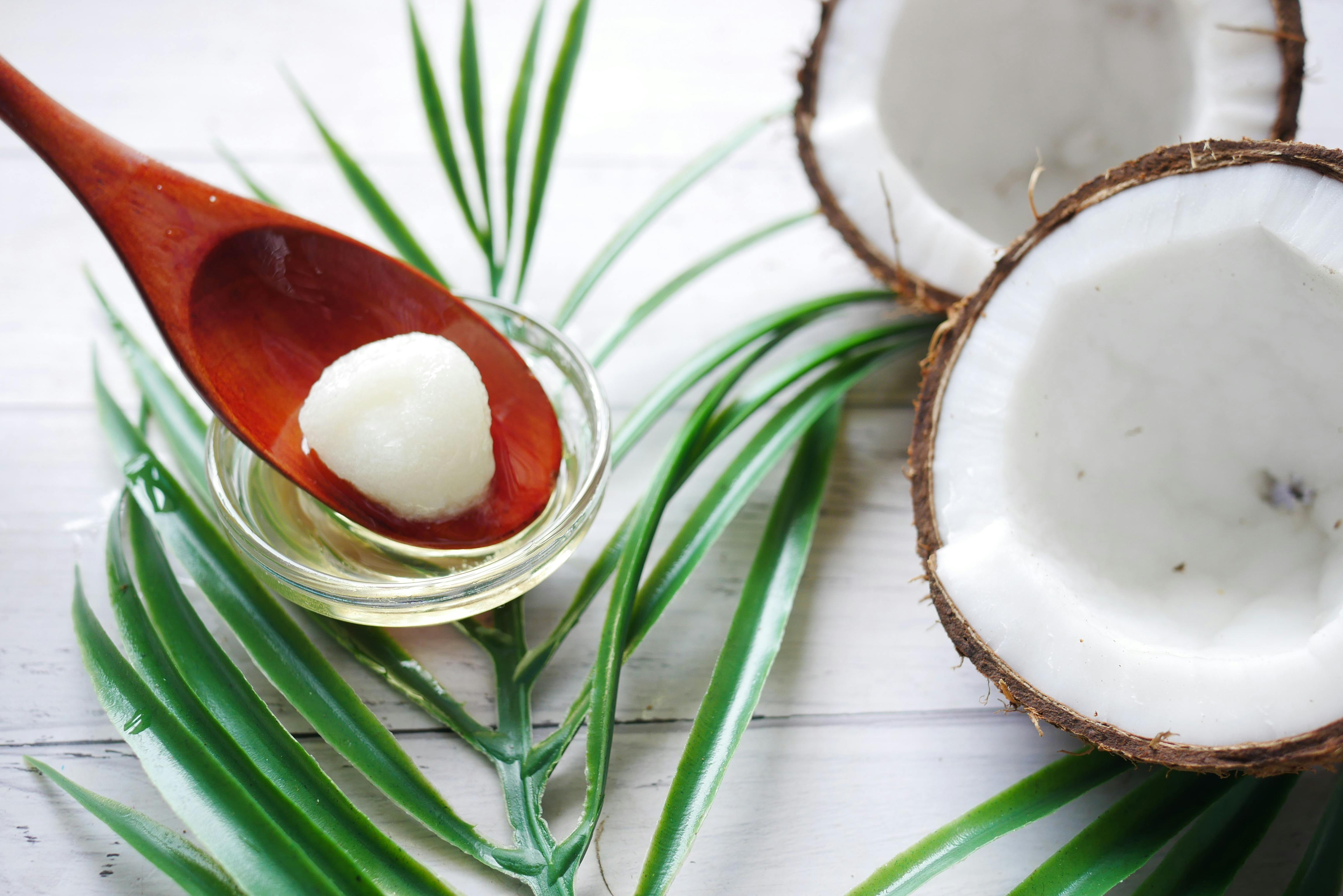
In coconut-growing destinations, a market visit can turn up several versions of the same ingredient. Coconut milk and cream contain fat; coconut water is the liquid inside the coconut. They are different products, so do not expect them to behave the same way on your hair.
If you enjoy homemade masks, try a small amount of plain, unsweetened coconut milk or cream on a section of hair, then wash it out thoroughly. Choose products without added sugar or seasoning, and remember that a rich cream can leave residue or feel heavy on finer strands.
Coconut water belongs on the shopping list too, but there is little reason to treat it as a detangler. Enjoy it as a drink rather than keeping it in a homemade hair spray. None of these ingredients has the same formulation as a conditioner.
3.Flax seeds for a homemade styling gel
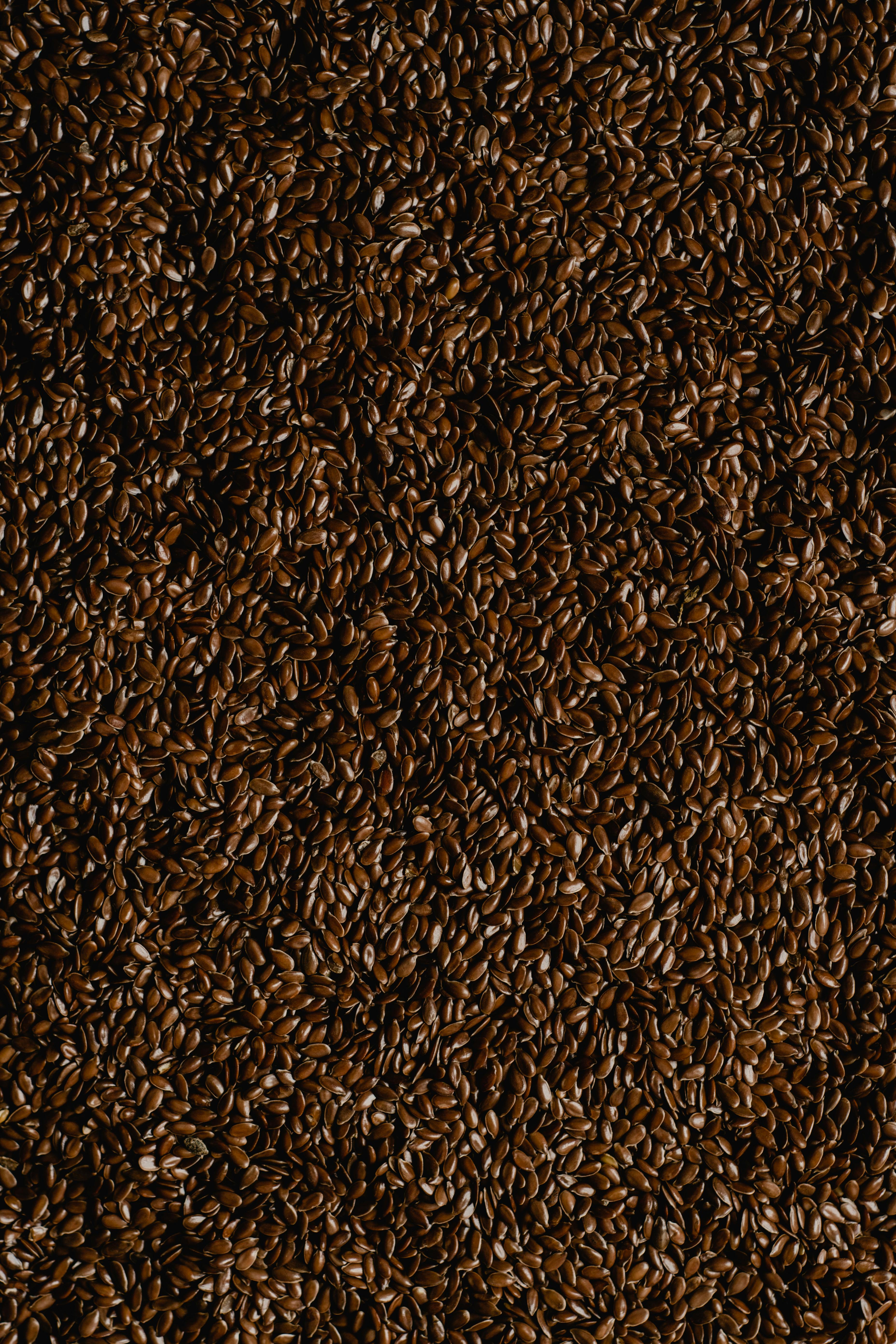
A bag of whole flax seeds can be the start of a simple styling experiment. Simmered in water, the seeds release a slippery gel that some natural-hair wearers use for twist-outs, braid-outs or a softer hold. Look for the name “linseed” too.
For a small batch, simmer one tablespoon of whole seeds in half a cup of water, stirring until the liquid lightly thickens. Strain through a clean, heat-safe fine sieve before it becomes too thick, then let it cool completely. Try a little on damp hair and see how it works with your usual leave-in.
This is an unpreserved, water-based mixture. Make only enough for immediate use and discard leftovers; do not carry a jar between destinations. The hold will vary with the batch and your hair. If you have 4c natural hair, try it on a small twist or braid first rather than expecting it to change your natural curl pattern.
Your routine does not need a suitcase of products
Start with a shampoo, a conditioner that lets you detangle comfortably and a styling product you trust. Add one local find at a time. You will learn more from a small, manageable routine than from mixing six new ingredients and trying to work out which one your hair liked.
4.Olive oil
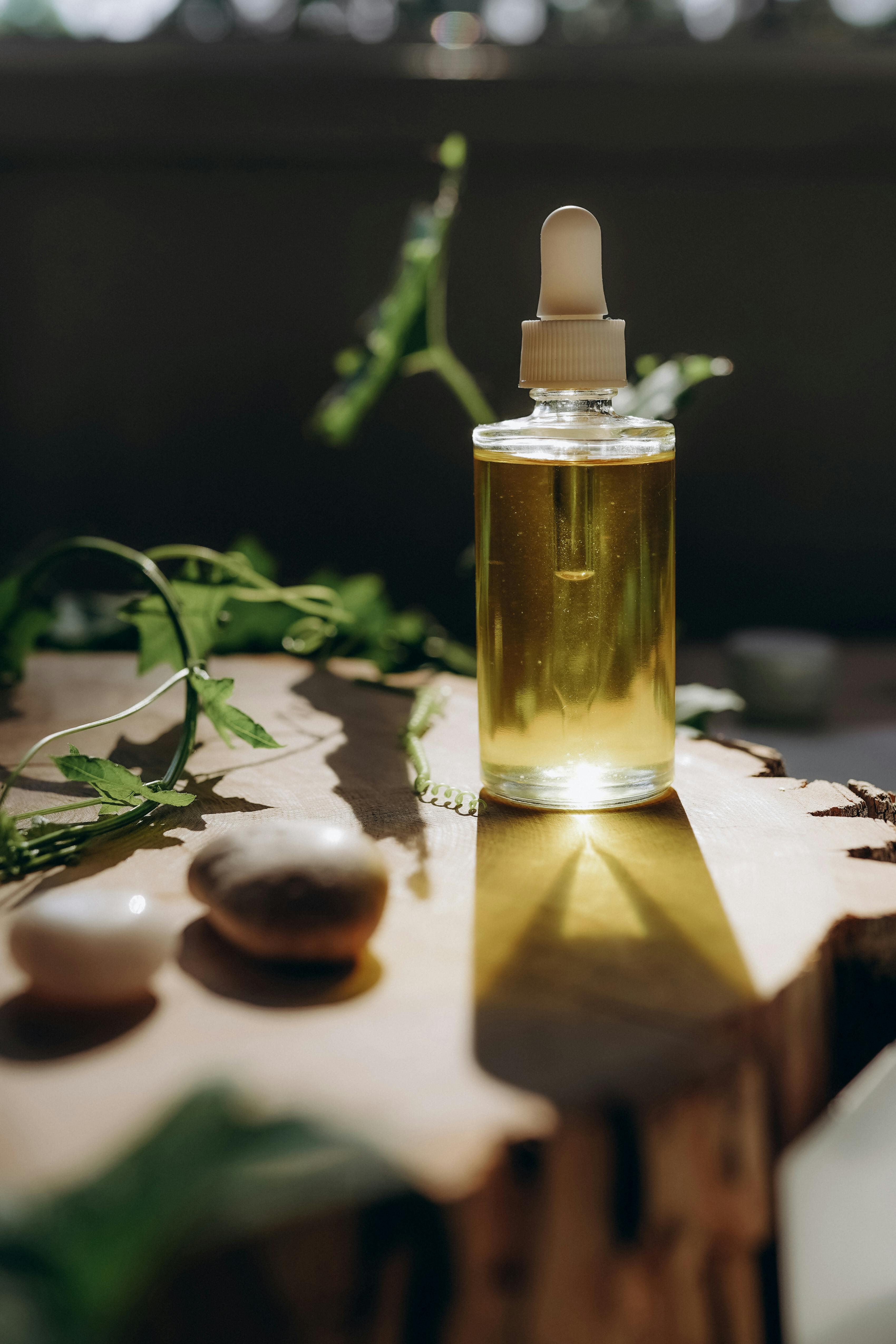
Olive oil is a useful option when the cooking aisle is easier to reach than a beauty shop. Choose plain oil, without chilli, garlic or other flavourings, and start with a few drops on the lengths and ends before shampooing.
More is not necessarily better. A heavy application can leave hair greasy and make washing harder. If your hair prefers lighter products, keep the amount small or try another oil. Oil can help lubricate the strands, but it does not replace water-based conditioning.
5.Jojoba oil
Jojoba is worth asking about when you find a natural-products shop. A small bottle is easy to fit into a travel routine, and you can test a drop or two on the ends after your usual leave-in.
Check for “Simmondsia chinensis seed oil” on the label. A product with jojoba on the front may still be a blend, which is not automatically a problem; it just helps to know what you are buying. Choose the texture your hair likes rather than the most expensive bottle.
6.Black seed oil
Black seed oil may be easier to find in shops stocking Middle Eastern or South Asian ingredients. The seeds are also called kalonji; look for the botanical name “Nigella sativa” to help identify the oil.
Its scent can be distinctive, so smell a tester if one is available. Try a small amount on your hair lengths before washing rather than soaking your scalp. Treat it as an optional oil, not a proven solution for hair loss or a substitute for care when your scalp is irritated.
7.Sweet almond oil
Plain sweet almond oil is another bottle to look for beyond the hair-care aisle. Rub a little between your palms and smooth it over the ends of a finished style, adjusting the amount to your hair’s density.
Choose sweet almond oil intended for cosmetic use, rather than bitter almond oil or an essential-oil blend. If you have an almond allergy, skip this option. There are plenty of other ways to keep your routine simple.
8.Grapeseed oil
Grapeseed oil gives you another reason to browse the supermarket’s cooking-oil shelf. Try a few drops on your ends if richer oils leave your hair feeling coated. The right amount is the smallest amount that gives you a finish you like.
Pick a plain, unflavoured bottle and store it away from heat and direct sunlight. It is not a heat protectant: use a product specifically labelled for heat protection before styling with hot tools.
9.Avocado

A ripe avocado is a familiar ingredient in homemade hair masks, especially alongside mayonnaise. If you want to try it, the preparation matters: mash, blend and strain it thoroughly. Pieces of fruit can be surprisingly difficult to remove from tightly coiled hair.
Test a little on one section before covering your whole head, then wash it out and follow with your usual conditioner. Think of this as a kitchen experiment, not a treatment proven to repair damage. If you have no blender, sieve or reliable place to rinse, a ready-made mask is the easier choice.
10.Mayonnaise
Avocado, eggs and mayonnaise are a traditional homemade-mask combination many of us have heard about. Mayonnaise already contains oil and, in many versions, egg, so there is no need to add a raw egg to recreate the idea.
If you want to experiment, choose plain, commercially prepared mayonnaise made with pasteurised egg, without mustard, chilli or other added seasonings. Try a small amount on the lengths, alone or with thoroughly strained avocado, then shampoo it out and condition as usual. Avoid it if you are allergic to any ingredient.
This is not equivalent to a formulated deep conditioner or hydrolysed-protein treatment. You may prefer the convenience, slip and easy rinsing of a shop-bought mask, especially when staying in shared accommodation.

Make room for local discoveries
A small bottle from a neighbourhood shop or a conditioner you would never have found at home can become part of your new routine. Keep an open mind, try a little first and let your own hair guide the decision.
Trying international brands on 4c natural hair
A product does not have to be marketed specifically to Black women to deserve a trial. Explore the local hair-care aisle and judge the product by what it does on your hair: does it help your fingers move through tangles, rinse cleanly and leave your strands feeling comfortable?
&honey from Japan
The Japanese brand is written &honey. Its Deep Moist range includes a hair pack, treatment and oil. The treatment is worth sampling if you are looking for a richer conditioner. Test its slip on your own curls; performance on tightly coiled hair is not guaranteed by the brand’s moisturising claims.
Vatika from Dabur
Vatika Enriched Coconut Hair Oil is an Indian oil blend. Dabur lists ingredients such as amla, bhringraj, henna, methi and kalonji in this version. Formulas can vary by market, so check your bottle. Try it as an oil treatment according to its directions, alongside your conditioner.
Ask for sachets, travel sizes or samples. You do not need to buy an entire matching range to discover that one conditioner works beautifully for you.
An Indian hair-care ingredient glossary
Indian grocers and Ayurvedic shops can introduce you to ingredients used in traditional hair-care routines. Keep these names on your phone when browsing. Traditional use does not establish a hair-growth benefit, and a finished product is often easier to use than loose powders.
| Ingredient | What it is | What to know |
|---|---|---|
| Amla | Indian gooseberry | Found in oils and powders; read directions before using a powder blend. |
| Bhringraj | A herb also called Eclipta prostrata | Often appears in traditional hair oils; growth claims should not decide your purchase. |
| Brahmi | A traditional herbal ingredient | The common name can refer to different plants; check the botanical name. |
| Methi | Fenugreek seeds | Used in homemade pastes and product blends; strain homemade preparations carefully. |
| Kalonji | Black seed, Nigella sativa | Look for it in seed form or as a clearly labelled oil. |
| Shikakai | A plant used in traditional cleansing preparations | Choose a labelled product with directions; loose powder can be difficult to rinse out. |
| Reetha | Soapnut | Used in cleansing preparations; keep it away from your eyes. |
| Henna | Lawsonia inermis | Can permanently colour hair. Do a strand test and avoid products labelled “black henna”. |
| Curry leaves | Leaves of the curry tree | Used in traditional oil preparations; culinary use and topical use are different. |
Build a 4c natural hair routine that travels well
- Save the local name and a photograph of the ingredient you want.
- Visit markets for fresh produce and established shops for sealed, labelled oils and cosmetics.
- Try one new ingredient or product at a time, starting with a small amount.
- Use clean hands, utensils and containers. Make food-based masks and gels for immediate use; discard leftovers.
- Skip ingredients you are allergic to, and stop using anything that causes burning, itching or irritation.
- Keep a shampoo and a reliable conditioner as the foundation of your routine.
You can make a home somewhere new without having every familiar bottle lined up in the bathroom. Learn what is available, keep what works and let the rest go. Your hair routine can adapt while you enjoy the life you travelled for.